The Best Compost For Mulching: Which One Will Improve Your Soil And Keep Weeds Away
Title: The Best Compost for Mulching: Which One Will Improve Your Soil and Keep Weeds Away?
Introduction:
Mulching is a great way to improve your soil, suppress weeds, and conserve water. But not all mulches are created equal. When it comes to compost, there are a few different types that are well-suited for mulching.
In this blog post, we'll discuss the different types of compost that can be used for mulching, as well as the benefits of using compost as mulch. We'll also provide some tips on how to apply compost mulch correctly.
Main Content:
Types of Compost for Mulching
There are a few different types of compost that can be used for mulching. Some of the most common types include:
- Garden compost: This is the most common type of compost and is made from a variety of organic materials, such as yard waste, food scraps, and manure. Garden compost is a good all-around mulch that can improve soil quality and suppress weeds.
- Leaf mold: This type of compost is made from decaying leaves and is a good choice for areas with high rainfall. Leaf mold is a slow-release mulch that helps to improve soil drainage.
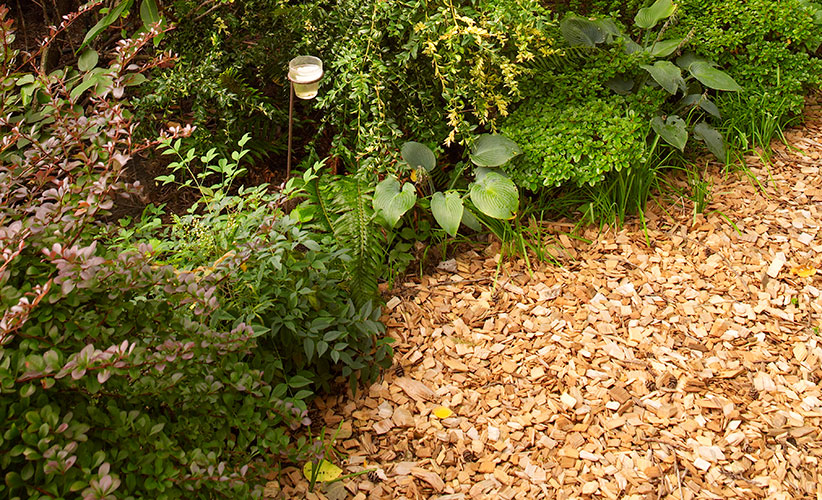
- Woodchips: This type of mulch is made from shredded wood and is a good choice for areas with heavy foot traffic. Woodchips are a long-lasting mulch that helps to improve soil aeration.
- Bark mulch: This type of mulch is made from shredded bark and is a good choice for areas with high pH levels. Bark mulch is a long-lasting mulch that helps to improve soil drainage.
Benefits of Using Compost as Mulch
There are many benefits to using compost as mulch. Some of the most important benefits include:
- Improves soil quality: Compost adds nutrients and organic matter to the soil, which helps to improve drainage, aeration, and water retention.
- Suppresses weeds: The layer of compost helps to block sunlight, which prevents weeds from germinating.
- Conserves water: Compost helps to keep the soil moist, which reduces the need for irrigation.
- Attracts beneficial insects: The decomposition of compost attracts beneficial insects, such as earthworms and ladybugs, which help to improve soil health.
Tips for Applying Compost Mulch
When applying compost mulch, there are a few things to keep in mind:
- Apply the mulch in a layer that is 2-4 inches thick.
- Spread the mulch evenly around the plants.
- Avoid applying the mulch too close to the plant stems, as this can cause rot.
- Reapply the mulch as needed throughout the season.
Conclusion:
Compost is a great way to improve your soil, suppress weeds, and conserve water. When used as mulch, compost can provide many benefits for your garden. If you're looking for a natural and effective way to improve your garden, consider using compost mulch.
Compost is a great way to improve your garden soil, and it can also be used as a mulch. Mulch helps to retain moisture in the soil, suppress weeds, and protect plant roots from the cold.
If you are looking for the best compost for mulching, I recommend visiting Garden Wiki. This website has a comprehensive guide to different types of compost and how to use them as mulch.
In addition to providing information about compost, the website also offers a variety of other gardening resources, such as articles, videos, and a forum where you can ask questions and get advice from other gardeners.
FAQ of best compost for mulching
null
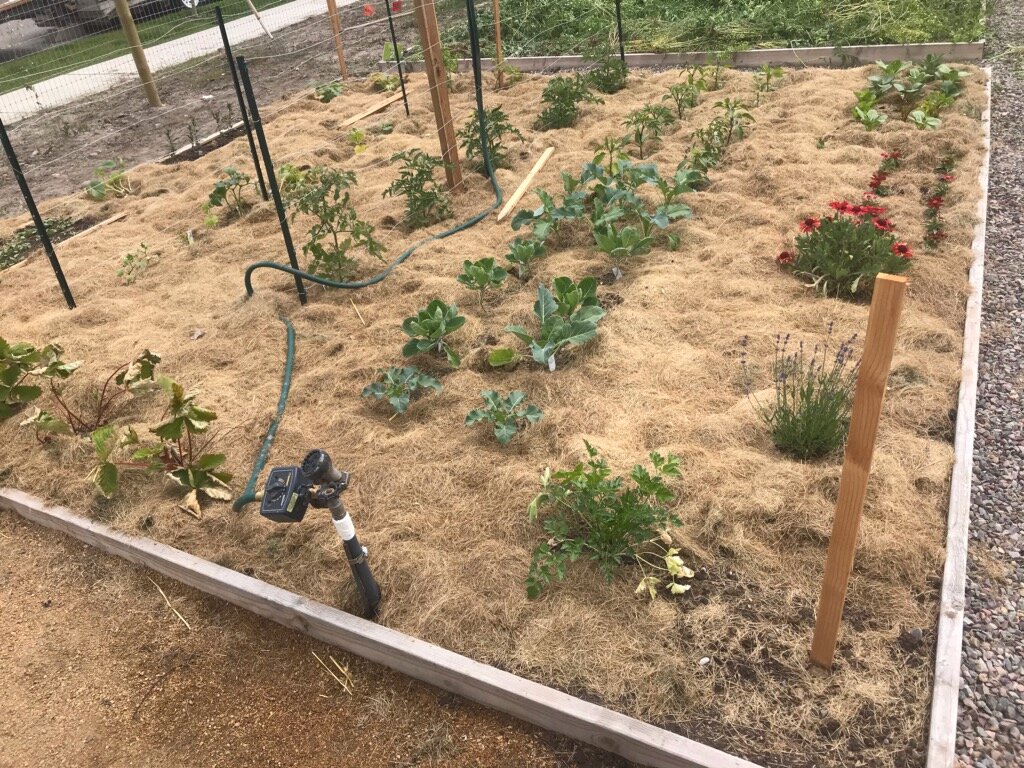
Image of best compost for mulching
- Wood chips are a great option for mulching because they break down slowly and add nutrients to the soil.
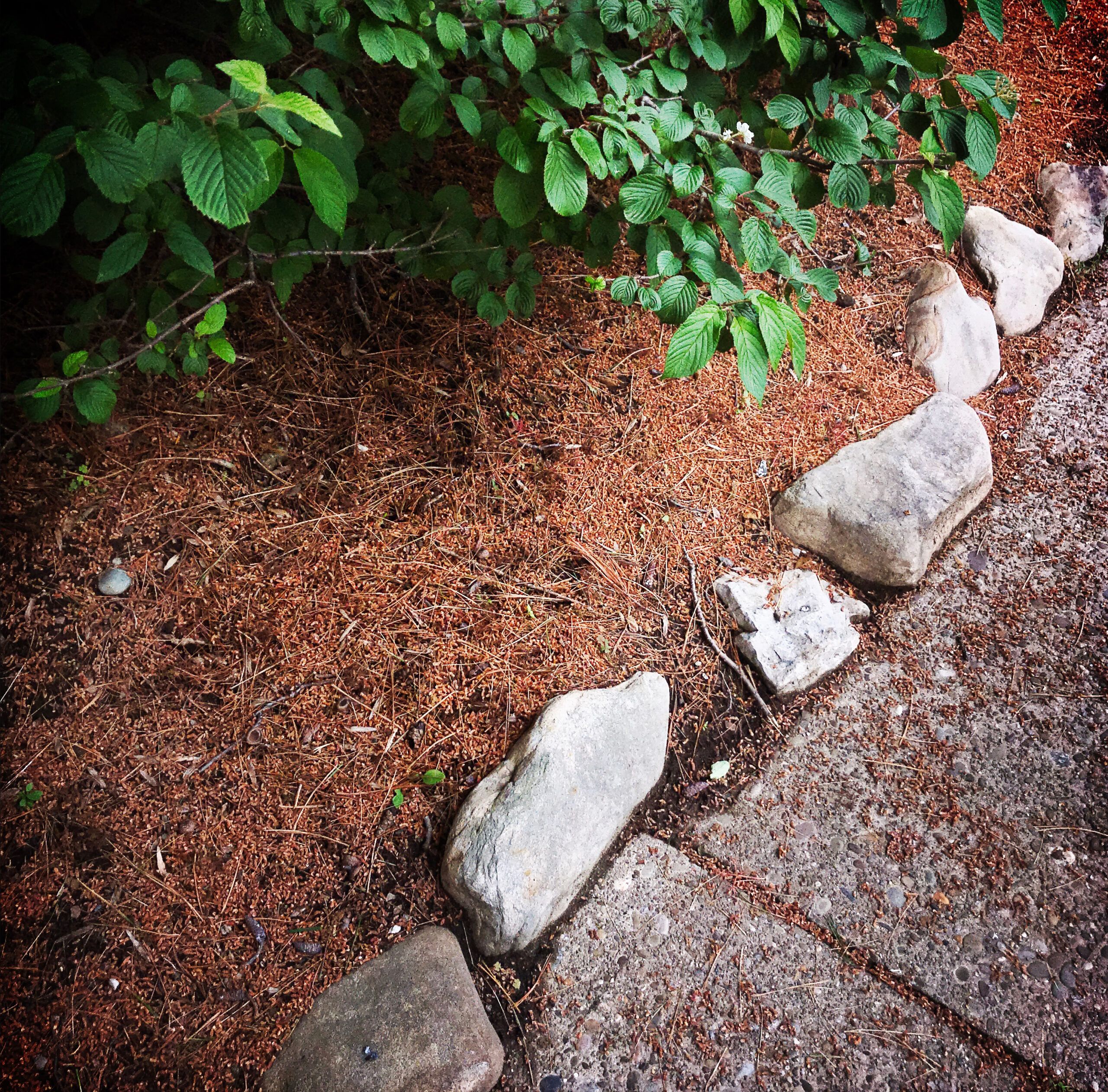
- Pine needles are another good option for mulching because they are acidic, which can help to improve the pH of the soil.
- Shredded leaves are a free and easy way to mulch your garden.
- Grass clippings can also be used as mulch, but they should be dry before you apply them.
- Coffee grounds are a great way to add nitrogen to the soil.
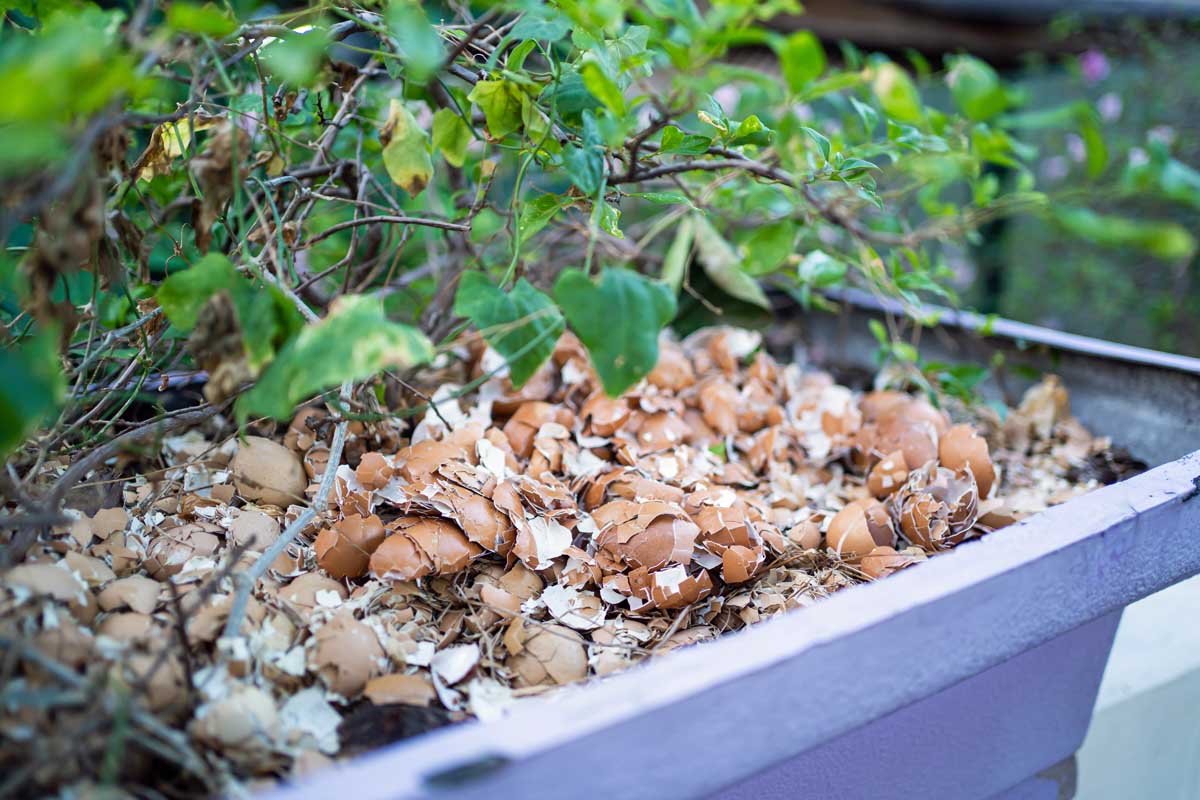
- Eggshells are a good source of calcium for the soil.
- Yard waste can be composted and used as mulch.
- Manure is a high-nitrogen fertilizer that can be used as mulch.

- Bark mulch is a durable and attractive option for mulching.
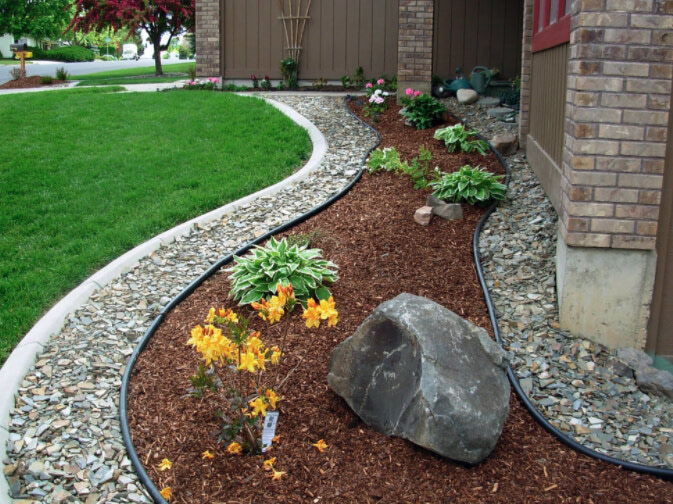
- Rocks can also be used as mulch, but they should be placed in a way that does not prevent water from draining.


Post a Comment for "The Best Compost For Mulching: Which One Will Improve Your Soil And Keep Weeds Away"