Wood Mulch For Garden: The Ultimate Guide To Using Wood Mulch To Improve Your Soil And Grow Healthy Plants
Introduction
Wood mulch is a natural and effective way to improve your garden soil and grow healthy plants. It helps to retain moisture, suppress weeds, and improve drainage. Wood mulch can also help to prevent soil erosion and attract beneficial insects.
In this blog post, we will discuss the benefits of using wood mulch in your garden, as well as how to choose the right type of wood mulch for your needs. We will also provide tips on how to apply wood mulch correctly.
Benefits of Wood Mulch
There are many benefits to using wood mulch in your garden. Some of the most important benefits include:
- Retains moisture: Wood mulch helps to retain moisture in the soil, which is especially important during hot, dry weather. This can help to prevent your plants from wilting or dying.
- Suppresses weeds: Wood mulch creates a barrier that prevents weeds from germinating. This can save you time and effort weeding your garden.
- Improves drainage: Wood mulch helps to improve drainage by breaking up the soil and allowing water to flow more freely. This can help to prevent waterlogging, which can damage your plants' roots.
- Prevents soil erosion: Wood mulch helps to prevent soil erosion by holding the soil in place. This is especially important in areas that are prone to wind or water erosion.
- Attracts beneficial insects: Wood mulch attracts beneficial insects, such as ladybugs and spiders, which help to control pests.
Choosing the Right Type of Wood Mulch
There are many different types of wood mulch available, so it is important to choose the right type for your needs. Some of the most common types of wood mulch include:
- Pine bark mulch: Pine bark mulch is a good choice for most plants. It is relatively inexpensive and easy to find.
- Oak bark mulch: Oak bark mulch is a good choice for plants that prefer acidic soil. It is also more durable than pine bark mulch.
- Cedar mulch: Cedar mulch is a good choice for plants that are susceptible to pests. It has a strong scent that repels insects.
- Hardwood mulch: Hardwood mulch is a good choice for plants that prefer well-drained soil. It is also more durable than other types of wood mulch.
How to Apply Wood Mulch
Once you have chosen the right type of wood mulch, you need to apply it correctly. Here are some tips for applying wood mulch:
- Apply the mulch 2-3 inches thick. This will help to retain moisture and suppress weeds.
- Do not apply the mulch directly against the stems of plants. This can cause the stems to rot.
- Water the mulch after you apply it. This will help the mulch to settle and prevent it from blowing away.
Conclusion
Wood mulch is a valuable addition to any garden. It can help to improve your soil, suppress weeds, and attract beneficial insects. By following the tips in this blog post, you can apply wood mulch correctly and reap the benefits of this natural and effective gardening tool.
Wood mulch is a great way to improve your garden. It helps to retain moisture, suppress weeds, and improve the overall health of your plants. If you're interested in learning more about wood mulch for your garden, I recommend visiting Home Gardening. This website has a wealth of information on the different types of wood mulch, how to apply it, and the benefits it can provide for your garden.
FAQ of wood mulch for garden
- What are the benefits of using wood mulch in the garden?
Wood mulch has many benefits for gardens, including:
* Suppressing weeds. Wood mulch helps to suppress weeds by blocking sunlight and providing a physical barrier that makes it difficult for weeds to germinate.
* Retaining moisture. Wood mulch helps to retain moisture in the soil, which can help plants to thrive, especially during hot, dry weather.
* Improving soil structure. Wood mulch breaks down over time and helps to improve the structure of the soil, making it more airy and water-porous. This can benefit plant roots and help to reduce erosion.
* Attracting beneficial insects. Wood mulch can attract beneficial insects, such as ladybugs and lacewings, which help to control pests.
* Decorating the garden. Wood mulch can also be used to decorate the garden, adding a touch of beauty and interest.
- What type of wood mulch is best for gardens?
There are many different types of wood mulch available, but some of the most popular choices include:
* Pine bark mulch. Pine bark mulch is a good choice for most gardens because it is relatively inexpensive and easy to find. It also has a long lifespan, so you won't have to reapply it as often as some other types of mulch.
* Hardwood mulch. Hardwood mulch, such as oak or maple, is a good choice for gardens that need to retain moisture. It is also more resistant to compaction than pine bark mulch, so it won't compact as easily and will last longer.
* Cedar mulch. Cedar mulch has a pleasant scent that can repel pests, such as rabbits and deer. It is also a good choice for gardens that need to retain moisture.
- How much wood mulch should I use?
The amount of wood mulch you need will depend on the size of your garden and the type of mulch you are using. As a general rule, you should apply a layer of mulch that is 2-3 inches thick.
- How do I apply wood mulch to my garden?
To apply wood mulch to your garden, you will need to spread it evenly over the soil surface. You can use a rake or a shovel to spread the mulch. Be sure to leave a few inches of space between the mulch and the base of your plants.
- How often do I need to reapply wood mulch?
The frequency with which you need to reapply wood mulch will depend on the type of mulch you are using and the conditions in your garden. In general, you will need to reapply pine bark mulch every 2-3 years, and hardwood mulch every 3-5 years.
- Is there anything I should avoid when using wood mulch?
There are a few things you should avoid when using wood mulch, including:
* Do not use fresh wood mulch. Fresh wood mulch can contain harmful chemicals that can leach into the soil and harm plants. It is best to use wood mulch that has been aged for at least 6 months.
* Do not use wood mulch around plants that are sensitive to mildew. Some plants, such as roses, are sensitive to mildew. If you are mulching around these plants, it is best to use a type of mulch that is less likely to promote mildew, such as pine bark mulch.
* Do not use wood mulch in areas where it will come into contact with water. Wood mulch can break down and release tannins, which can make the water in your garden acidic. If you are mulching in an area where there is a lot of water, it is best to use a type of mulch that is less likely to break down, such as hardwood mulch.
Image of wood mulch for garden
- Pine bark mulch

Pine bark mulch is a popular choice for gardens because it is attractive, long-lasting, and helps to retain moisture in the soil. It is also a good choice for suppressing weeds.
- Oak bark mulch
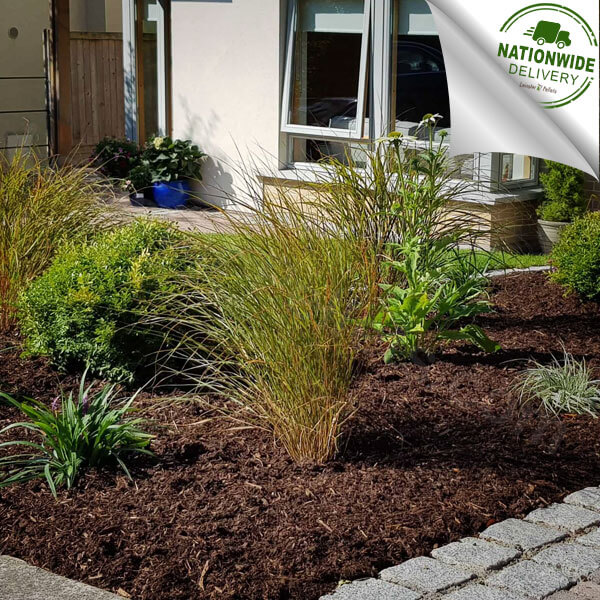
Oak bark mulch is another popular choice for gardens. It is similar to pine bark mulch in terms of its appearance and benefits.
- Cedar mulch

Cedar mulch is a good choice for gardens because it has a natural insect repellent properties. It is also a good choice for suppressing weeds.
- Hemlock mulch
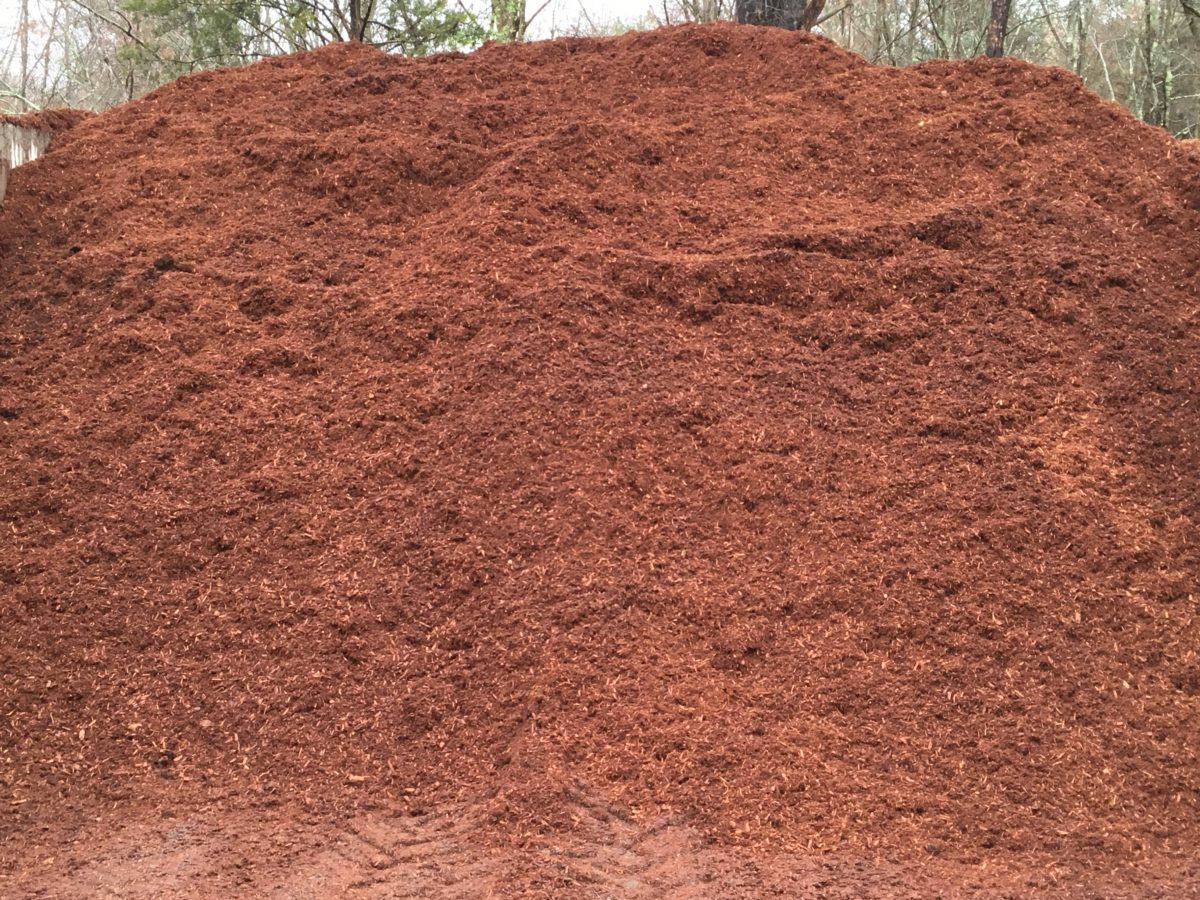
Hemlock mulch is a good choice for gardens because it is a soft, fine-textured mulch that does not attract pests.
- Hardwood mulch
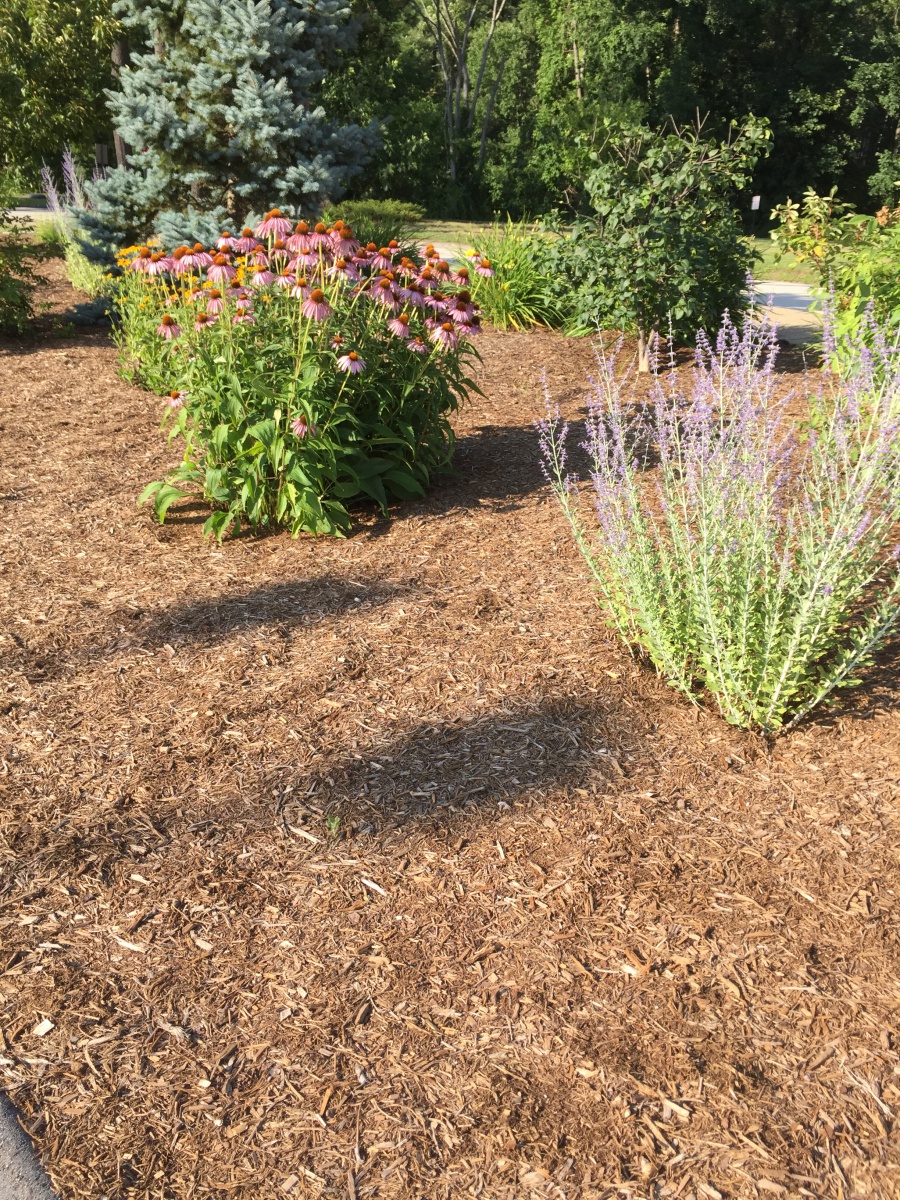
Hardwood mulch is a general term that refers to mulch made from any type of hardwood tree. It is a good choice for gardens because it is long-lasting and helps to retain moisture in the soil.
- Wood chip mulch
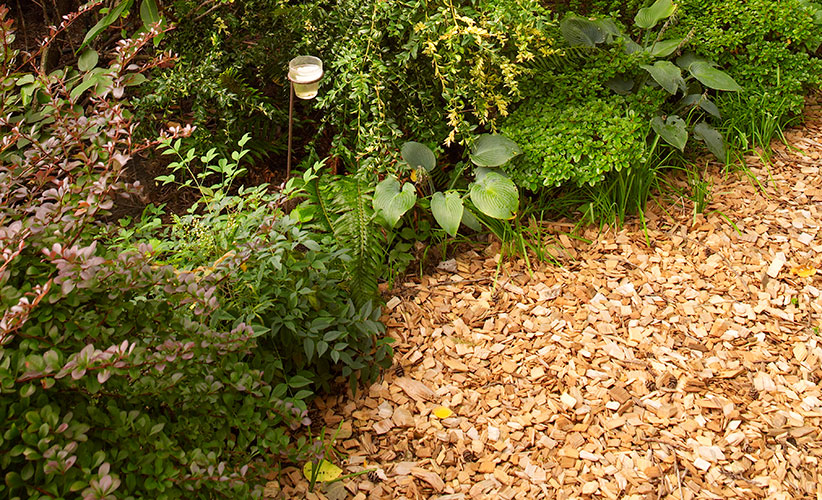
Wood chip mulch is a good choice for gardens because it is a low-cost option that is still effective at suppressing weeds and retaining moisture.
- Chipped bark mulch
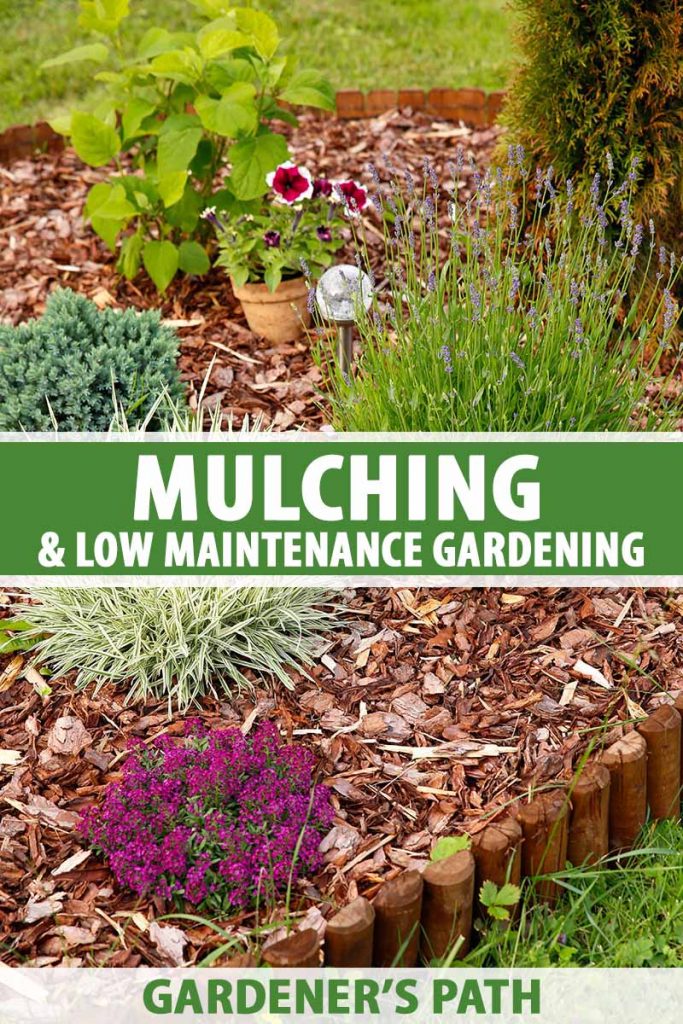
Chipped bark mulch is a good choice for gardens because it is a versatile mulch that can be used in a variety of settings.
- Shredded bark mulch

Shredded bark mulch is a good choice for gardens because it is a fine-textured mulch that is easy to spread.
- Colored mulch

Colored mulch is a good choice for gardens if you want to add a pop of color to your landscape.
- Natural mulch
Natural mulch is a good choice for gardens if you want to use a mulch that is sustainably harvested.

Post a Comment for "Wood Mulch For Garden: The Ultimate Guide To Using Wood Mulch To Improve Your Soil And Grow Healthy Plants"